
Happy New Year
Wishing all our Supporters, Media and Hinchingbrooke Hospital( staff, patients and management)
a Happy New Year and a better 2007
With.........
Full dialogue consultation
More transparency
Less "Computer glitches"
Less misleading figures
Less of the trying to justify CUTS
More of KEEPING HINCHINGBROOKE WORKING AND THERE FOR THE COMMUNITY OF
CAMBRIDGESHIRE AS A WHOLE
BACK IN 2007 WITH MORE NEWS OF SUPPORTERS MERCHANDISE, EVENTS, FUNDRAISING AND HELPING TOP KEEP MATERNITY FULLY FUNDED
PLEASE KEEP SUPPORTING ME AS I CANNOT DO IT ALONE
Mike Gough
Thursday, December 28, 2006
Doors close on birthing centres
The new birth centre at Ashurst will be midwife-led
Two birthing centres in Hampshire are closing their doors to mothers after months of protests to keep them open.
The Lymington and Romsey centres have shut ahead of the opening of a combined birthing unit, Snowdon House, Ashurst.
The Southampton University Hospitals NHS Trust has said a third centre in Hythe will close once the new facility is up and running.
Staff were informed last week of the closing date, Wednesday, and midwives are available for the community.
Helen Dennett of the Lymington Birth Centre Support Group, said that any mothers who had given birth at the centre were low risk and could go home within a couple of hours.
She said women going into the centre in the last two days were warned about the situation.
Christmas birth
Plans to close the centres were announced by the Southampton University Hospitals NHS Trust (SUHT) months ago, due to the centres operating below full capacity.
Mark Hackett, the trust's chief executive, said: "Rather than having several birth centres standing half empty, we will have a thriving centre of excellence offering a better service for local women as well as more job satisfaction for our staff."
The last baby born at one of the centres was born on Christmas Day.
WATCH OUT MOTHERS AND MOTHERS TO BE AS YOUR LOCAL HOSPITAL - HINCHINGBROOKE IS UNDER THREAT LIKE THE ABOVE HOSPITAL -
WHY OH WHY CLOSE A MATERNITY UNIT IN A HOSPITAL LOCATED AT THE CENTRE OF THE COUNTY OF CAMBRIDGESHIRE BECAUSE IT;S BIRTH RATE IS A LITTLE UNDER THE AVERAGE?
WHY SHOULD PROSPECTIVE PARENTS HAVE TO TRAVEL TO THE NORTHERN OR SOUTH EASTERN EXTREMITIES OF THE COUNTY FOR THE BIRTH OF THEIR CHILDREN OR AT WORST HOME BIRTHS.........................
The new birth centre at Ashurst will be midwife-led
Two birthing centres in Hampshire are closing their doors to mothers after months of protests to keep them open.
The Lymington and Romsey centres have shut ahead of the opening of a combined birthing unit, Snowdon House, Ashurst.
The Southampton University Hospitals NHS Trust has said a third centre in Hythe will close once the new facility is up and running.
Staff were informed last week of the closing date, Wednesday, and midwives are available for the community.
Helen Dennett of the Lymington Birth Centre Support Group, said that any mothers who had given birth at the centre were low risk and could go home within a couple of hours.
She said women going into the centre in the last two days were warned about the situation.
Christmas birth
Plans to close the centres were announced by the Southampton University Hospitals NHS Trust (SUHT) months ago, due to the centres operating below full capacity.
Mark Hackett, the trust's chief executive, said: "Rather than having several birth centres standing half empty, we will have a thriving centre of excellence offering a better service for local women as well as more job satisfaction for our staff."
The last baby born at one of the centres was born on Christmas Day.
WATCH OUT MOTHERS AND MOTHERS TO BE AS YOUR LOCAL HOSPITAL - HINCHINGBROOKE IS UNDER THREAT LIKE THE ABOVE HOSPITAL -
WHY OH WHY CLOSE A MATERNITY UNIT IN A HOSPITAL LOCATED AT THE CENTRE OF THE COUNTY OF CAMBRIDGESHIRE BECAUSE IT;S BIRTH RATE IS A LITTLE UNDER THE AVERAGE?
WHY SHOULD PROSPECTIVE PARENTS HAVE TO TRAVEL TO THE NORTHERN OR SOUTH EASTERN EXTREMITIES OF THE COUNTY FOR THE BIRTH OF THEIR CHILDREN OR AT WORST HOME BIRTHS.........................


Minister in NHS hospital protest
Cabinet minister Hazel Blears has joined a protest over plans to close part of a hospital in her constituency.
The proposals for Hope Hospital in Salford, Greater Manchester, are part of the controversial
NHS shake-up.
A spokesman for Ms Blears, the Labour Party chair, said she believed closure would be the "wrong thing to do".
BBC political correspondent Robin Brant said it was rare for a cabinet minister to come out against measures directly resulting from government policy.
The actions will be seen as an embarrassment to the Labour party, our correspondent said.
'Hot issue'
The government is determined to push ahead with a re-organisation of the NHS, which will see some closures.
It aims to consolidate but improve the services on offer at other hospitals.
Mr Blears took part in Wednesday's demonstration outside the hospital over proposals to close and relocate its maternity unit.
Health chiefs want to concentrate maternity services in the region in three centres providing high quality intensive care for babies.
The final decision on moving the unit is not due for several months.
Ms Blears' spokesman told the BBC that she has had "informal contact" with the Health Secretary over the issue and plans to make formal representations.
He added: "She intends to campaign against it - it is a very hot issue locally."
Cabinet minister Hazel Blears has joined a protest over plans to close part of a hospital in her constituency.
The proposals for Hope Hospital in Salford, Greater Manchester, are part of the controversial
NHS shake-up.
A spokesman for Ms Blears, the Labour Party chair, said she believed closure would be the "wrong thing to do".
BBC political correspondent Robin Brant said it was rare for a cabinet minister to come out against measures directly resulting from government policy.
The actions will be seen as an embarrassment to the Labour party, our correspondent said.
'Hot issue'
The government is determined to push ahead with a re-organisation of the NHS, which will see some closures.
It aims to consolidate but improve the services on offer at other hospitals.
Mr Blears took part in Wednesday's demonstration outside the hospital over proposals to close and relocate its maternity unit.
Health chiefs want to concentrate maternity services in the region in three centres providing high quality intensive care for babies.
The final decision on moving the unit is not due for several months.
Ms Blears' spokesman told the BBC that she has had "informal contact" with the Health Secretary over the issue and plans to make formal representations.
He added: "She intends to campaign against it - it is a very hot issue locally."
Saturday, December 23, 2006
English 'now more accident prone'
One of the more unusual reasons for a visit to hospital
40,000 more people were admitted to hospital following an accident in England in 2005-06 than in the previous year, figures show.
The Information Centre for health and social care recorded just over 593,000 admissions during the year.
Explosions, bites and falls were all on the rise.
There were two cases where people were bitten or struck by crocodiles or alligators and five
cases involving venomous spiders.
Non-poisonous insect bites were responsible for over 2,000 admissions, a number which has doubled over the last five years.
Of all venomous creatures, by far the single most common culprit was the hornet, with 627 occurrences.
Playground injuries
The figures show that getting into scrapes is no longer simply a predicament for the young.
Playground hi-jinks among the over 60s resulted in 53 hospital admissions in NHS hospitals last year, an increase from the 45 injured on the swings and roundabouts in 2004-2005.
Fifty people were treated for lightning burns
The number of older adults falling from trees also rose by 46% to 60 admissions.
As Christmas shopping hits its peak this weekend, it is worth remembering that 116 people were classified as being "crushed, pushed or stepped on by a crowd or human stampede".
Extreme temperatures proved hazardous, as the number of people who were brought into
hospital due to the hot weather nearly doubled from 46 to 86.
Fifty people were classed as being struck by lightning, while people were nearly three times
more likely to be a victim of a volcanic eruption than avalanche with figures of 38 and 13 respectively.
There were also 61 cases that could only be categorised as "exposure to other and unspecified forces of nature."
Two people went into hospital after a "prolonged stay in a weightless environment".
While it is not clear what has prompted the classification, past mishaps have involved trainee astronauts and riders of roller coasters.
Accidents involving the discharging of fireworks amounted to 166 hospital admissions last year, with the majority of victims being young men.
YOU WILL NOTE THAT 40,000 MORE PEOPLE WERE ADMITTED TO HOSPITAL THROUGH A&E LAST YEAR, THAT IS THE GUIDELINE FIGURE FOR AN A&E TO BE VIABLE AT1 HOSPITAL
One of the more unusual reasons for a visit to hospital
40,000 more people were admitted to hospital following an accident in England in 2005-06 than in the previous year, figures show.
The Information Centre for health and social care recorded just over 593,000 admissions during the year.
Explosions, bites and falls were all on the rise.
There were two cases where people were bitten or struck by crocodiles or alligators and five
cases involving venomous spiders.
Non-poisonous insect bites were responsible for over 2,000 admissions, a number which has doubled over the last five years.
Of all venomous creatures, by far the single most common culprit was the hornet, with 627 occurrences.
Playground injuries
The figures show that getting into scrapes is no longer simply a predicament for the young.
Playground hi-jinks among the over 60s resulted in 53 hospital admissions in NHS hospitals last year, an increase from the 45 injured on the swings and roundabouts in 2004-2005.
Fifty people were treated for lightning burns
The number of older adults falling from trees also rose by 46% to 60 admissions.
As Christmas shopping hits its peak this weekend, it is worth remembering that 116 people were classified as being "crushed, pushed or stepped on by a crowd or human stampede".
Extreme temperatures proved hazardous, as the number of people who were brought into
hospital due to the hot weather nearly doubled from 46 to 86.
Fifty people were classed as being struck by lightning, while people were nearly three times
more likely to be a victim of a volcanic eruption than avalanche with figures of 38 and 13 respectively.
There were also 61 cases that could only be categorised as "exposure to other and unspecified forces of nature."
Two people went into hospital after a "prolonged stay in a weightless environment".
While it is not clear what has prompted the classification, past mishaps have involved trainee astronauts and riders of roller coasters.
Accidents involving the discharging of fireworks amounted to 166 hospital admissions last year, with the majority of victims being young men.
YOU WILL NOTE THAT 40,000 MORE PEOPLE WERE ADMITTED TO HOSPITAL THROUGH A&E LAST YEAR, THAT IS THE GUIDELINE FIGURE FOR AN A&E TO BE VIABLE AT1 HOSPITAL
Friday, December 22, 2006
Merchandise
The first fund raising merchandise has arrived and will be avaliable from
2nd January 2007 , unless you catch me before then, we have Pens (which take Parker refills) nd wristbands in adult & child sizes these will be followed soon by other products including Hi Viz safety waistcoats
Have a safe, happy and wonderful Christmas , may your God be with you and a Happy New Year
The first fund raising merchandise has arrived and will be avaliable from
2nd January 2007 , unless you catch me before then, we have Pens (which take Parker refills) nd wristbands in adult & child sizes these will be followed soon by other products including Hi Viz safety waistcoats
Have a safe, happy and wonderful Christmas , may your God be with you and a Happy New Year
Health PCT agrees to close beds
A primary care trust (PCT) which covers Suffolk and Norfolk has approved the temporary closure of in-patient beds in a bid to save up to £100,000.
The board of Great Yarmouth and Waveney unanimously decided to close 12 beds at Patrick Stead Hospital, Halesworth.
The beds will be closed on 8 January, next year, but members agreed to reopen them as soon as possible after the new financial year begins in April 2007.
the decision was made at a board meeting in Beccles on Wednesday.
Mike Stonard, PCT chief executive, said: "There is no intention as part of this temporary measure to close any of the three community hospitals sites and other clinical services will be maintained."
The PCT has to make £7.7m of savings by 31 March next year.
WELL, ROBBING PETER AGAIN JUST TO BALANCE BOOKS, AND YOU NOTICE THAT THE 3 COMMUNITY HOSPITALS WON'T BE TOUCHED -
THIS IS BECAUSE IT WILL FORM PART OF THE "CARE CLOSER TO HOME" FORMULA THE GOVERNMENT THINKS WILL SAVE MONEY -
WHERE IS THE FUNDING TO PROVIDE THIS, WHERE IS IT SET UP, WHAT ARE THE COSTS, WILL PATIENTS REALLY BE SEEN ON TIME, HOW FAR WILL THE PRACTITIONERS HAVE TO TRAVEL, COSTS OF VEHICLES, MOBILE PHONES FOR LONE WORKERS, TRAFFIC ISSUES LIKE ACCIDENTS AND WEATHER CONDITIONS, HOW MANY APPOINTMENTS WILL BE EXPECTED TO BE COMPLETED DAILY, MORE AND WHO WILL TAKE THE BLAME WHEN SOMEONE DIES?
A primary care trust (PCT) which covers Suffolk and Norfolk has approved the temporary closure of in-patient beds in a bid to save up to £100,000.
The board of Great Yarmouth and Waveney unanimously decided to close 12 beds at Patrick Stead Hospital, Halesworth.
The beds will be closed on 8 January, next year, but members agreed to reopen them as soon as possible after the new financial year begins in April 2007.
the decision was made at a board meeting in Beccles on Wednesday.
Mike Stonard, PCT chief executive, said: "There is no intention as part of this temporary measure to close any of the three community hospitals sites and other clinical services will be maintained."
The PCT has to make £7.7m of savings by 31 March next year.
WELL, ROBBING PETER AGAIN JUST TO BALANCE BOOKS, AND YOU NOTICE THAT THE 3 COMMUNITY HOSPITALS WON'T BE TOUCHED -
THIS IS BECAUSE IT WILL FORM PART OF THE "CARE CLOSER TO HOME" FORMULA THE GOVERNMENT THINKS WILL SAVE MONEY -
WHERE IS THE FUNDING TO PROVIDE THIS, WHERE IS IT SET UP, WHAT ARE THE COSTS, WILL PATIENTS REALLY BE SEEN ON TIME, HOW FAR WILL THE PRACTITIONERS HAVE TO TRAVEL, COSTS OF VEHICLES, MOBILE PHONES FOR LONE WORKERS, TRAFFIC ISSUES LIKE ACCIDENTS AND WEATHER CONDITIONS, HOW MANY APPOINTMENTS WILL BE EXPECTED TO BE COMPLETED DAILY, MORE AND WHO WILL TAKE THE BLAME WHEN SOMEONE DIES?
Wednesday, December 20, 2006
Bosses warned over road crashes
Department for Transport data issued by road safety charity Brake indicate 850 people died and 6,012 were seriously injured as a result of the crashes.
The statistics are being made available for the first time following changes in the way police record accidents.
Brake, which has produced a free DVD for company drivers, is urging firms to improve risk management practices.
Busy Enough to Kill?, which is part-funded by the DfT, includes interviews with families bereaved by road crashes involving at-work drivers
The PCT,SHA & Government need to heed this report before forcing NHS workers and Patients to accept community visits, another risk factor to be considered along with environmental, traffic and staff safety issues as well as the increased costs involved.
Monday, December 18, 2006
SAY NO......
Patient veto for e-care records
There are fears the system will not be secure
The government is pushing ahead with the controversial electronic care records system -
but has agreed to give patients a veto.
Ministers said the system, part of a 10-year, £6bn upgrade of NHS IT, was about improving
care.
It will mean doctors across England will be able to access records containing data on medication, allergies and adverse drug reactions.
But patients will be allowed to veto their records being shared nationally.
Doctors and patients have expressed fears a compulsory electronic record system could damage the GP/patient relationship, and compromise confidentiality.
Mr Pattison
Well you all have wondered what he is doing since "resigning" as Chief Executive of Hinchingbrooke Hospital.................
Well he had secured a nice little job on a steering group before he left and this steering group is called Care Closer To Home, yes the same initiative that is trying to take work from hospitals and putting this treatment in the community
So the former Chief executive is now trying to ruin the NHS further than what has already been done by working on this steering group, the group is to look at the pilot schemes that are running in various UK locations and the evaluate and report to the DOH in January
NOW what will not be taken into consideration is the RISKS, not just for patients but for staff members who will be administering treatment in your home, thats bad enough, but how much in transport costs will the NHS incur, how many treatments will be delayed due to traffic issues, how many staff will be attacked for the drugs and supplies they will have in their vehicles and how many patients will die as a consequence of the above and the fact they are not being monitored in a hospital bed?
WELL MR PATTISON, DON'T FORGET THE PEOPLE THAT SUPPORTED YOU AND THE HOSPITAL YOU LEFT UNDER A CLOUD, DO THE RIGHT THING BY THE PEOPLE
Well you all have wondered what he is doing since "resigning" as Chief Executive of Hinchingbrooke Hospital.................
Well he had secured a nice little job on a steering group before he left and this steering group is called Care Closer To Home, yes the same initiative that is trying to take work from hospitals and putting this treatment in the community
So the former Chief executive is now trying to ruin the NHS further than what has already been done by working on this steering group, the group is to look at the pilot schemes that are running in various UK locations and the evaluate and report to the DOH in January
NOW what will not be taken into consideration is the RISKS, not just for patients but for staff members who will be administering treatment in your home, thats bad enough, but how much in transport costs will the NHS incur, how many treatments will be delayed due to traffic issues, how many staff will be attacked for the drugs and supplies they will have in their vehicles and how many patients will die as a consequence of the above and the fact they are not being monitored in a hospital bed?
WELL MR PATTISON, DON'T FORGET THE PEOPLE THAT SUPPORTED YOU AND THE HOSPITAL YOU LEFT UNDER A CLOUD, DO THE RIGHT THING BY THE PEOPLE
Saturday, December 16, 2006
Hundreds of thousands of people have been wrongly told they have a tax records gap that may cut their pension.
The error was caused by a glitch in the Revenue and Customs' tax system used by the UK's largest employers.
A Revenue spokesman said it did not know how many of the 4.7m notices suggesting people pay £371 had been sent out in error.
Payroll expert Karen Thomson says the total affected could be 700,000, including many teachers and nurses.
Speaking to BBC Radio 4's Money Box programme she said: "On average the Revenue produces four million of these notices a year.
"They have confirmed to us that this year 4.7m will go out to the end of January, so the difference, 700,000 notices, could be incorrect."
AND THE GOVERNMENT WANT THE NHS TO HAVE A NATIONAL DATABASE OF PATIENT RECORDS.....................ERROR,ERROR,
ERROR
The error was caused by a glitch in the Revenue and Customs' tax system used by the UK's largest employers.
A Revenue spokesman said it did not know how many of the 4.7m notices suggesting people pay £371 had been sent out in error.
Payroll expert Karen Thomson says the total affected could be 700,000, including many teachers and nurses.
Speaking to BBC Radio 4's Money Box programme she said: "On average the Revenue produces four million of these notices a year.
"They have confirmed to us that this year 4.7m will go out to the end of January, so the difference, 700,000 notices, could be incorrect."
AND THE GOVERNMENT WANT THE NHS TO HAVE A NATIONAL DATABASE OF PATIENT RECORDS.....................ERROR,ERROR,
ERROR
Out of hours care
New Which? research highlights consumer confusion and poor awareness over what healthcare services are available outside GP opening hours, and how to access them.
A new report from Which? about out of hours healthcare in England paints a picture of inconsistent and patchy services, which can fail to meet consumers’ needs adequately.
In the last year, around 14.5 millions adults in England sought medical treatment outside of
normal GP surgery hours. But our research shows that consumers are confused about what services are available and how to access them. Some also face long delays and significant
difficulties in getting appropriate care out of hours, and this can have serious consequences for patients and result in overburdened Accident and Emergency (A&E) departments.
Almost a third of people (32 per cent) who needed out of hours care in the last year went to A&E, even though they might well have received care better suited to their needs elsewhere.
Awareness of services that can ease the burden on A&E is low. Only 39 per cent of consumers know about NHS Walk-in Centres and only 21 per cent know that about Minor Injury Units.
And these services are not available in all areas.
NHS Direct, the telephone helpline for consumers, was also found wanting in our report. Inconsistencies in the quality of service, response times and advice, and consumer confusion over its purpose risk NHS Direct being seen as an obstacle on the path to care.
SO PCT,SHA TAKE HEED, THE PEOPLE KNOW THAT G.P'S ARE NOT ACCESSABLE OUT OF HOURS AND GO DIRECT TO A&E SO WHY ARE YOU THINKING OF CUTTING BACK THE SERVICE?
THIS IS NOT AN OPTION UNTIL A FULLY FUNCTIONAL AND FUNDED OUT OF HOURS SERVICE IS AVALIABLE, UNTIL THEN A&E IS THE ONLY OPTION
New Which? research highlights consumer confusion and poor awareness over what healthcare services are available outside GP opening hours, and how to access them.
A new report from Which? about out of hours healthcare in England paints a picture of inconsistent and patchy services, which can fail to meet consumers’ needs adequately.
In the last year, around 14.5 millions adults in England sought medical treatment outside of
normal GP surgery hours. But our research shows that consumers are confused about what services are available and how to access them. Some also face long delays and significant
difficulties in getting appropriate care out of hours, and this can have serious consequences for patients and result in overburdened Accident and Emergency (A&E) departments.
Almost a third of people (32 per cent) who needed out of hours care in the last year went to A&E, even though they might well have received care better suited to their needs elsewhere.
Awareness of services that can ease the burden on A&E is low. Only 39 per cent of consumers know about NHS Walk-in Centres and only 21 per cent know that about Minor Injury Units.
And these services are not available in all areas.
NHS Direct, the telephone helpline for consumers, was also found wanting in our report. Inconsistencies in the quality of service, response times and advice, and consumer confusion over its purpose risk NHS Direct being seen as an obstacle on the path to care.
SO PCT,SHA TAKE HEED, THE PEOPLE KNOW THAT G.P'S ARE NOT ACCESSABLE OUT OF HOURS AND GO DIRECT TO A&E SO WHY ARE YOU THINKING OF CUTTING BACK THE SERVICE?
THIS IS NOT AN OPTION UNTIL A FULLY FUNCTIONAL AND FUNDED OUT OF HOURS SERVICE IS AVALIABLE, UNTIL THEN A&E IS THE ONLY OPTION
Friday, December 15, 2006
Drive to improve patient safety
Nearly one million lapses in patient safety were recorded in 2004-5
The government has announced a shake-up of systems to improve patient safety as a study finds current safeguards are failing.
NHS staff should ensure incidents involving serious patient harm are reported within 36 hours, says the chief medical officer's (CMO) report.
It calls for a blame-free culture where staff feel confident to report, plus quicker and simpler reporting systems.
BUT WHO WILL RECORD OR TAKE THE BLAME SHOULD THE GOVERNMENT,SHA & TO A GREATER EXENT CAMBS PCT EVER GET TREATMENT IN THE COMMUNITY LIKE IN YOUR OWN HOME !
Nearly one million lapses in patient safety were recorded in 2004-5
The government has announced a shake-up of systems to improve patient safety as a study finds current safeguards are failing.
NHS staff should ensure incidents involving serious patient harm are reported within 36 hours, says the chief medical officer's (CMO) report.
It calls for a blame-free culture where staff feel confident to report, plus quicker and simpler reporting systems.
BUT WHO WILL RECORD OR TAKE THE BLAME SHOULD THE GOVERNMENT,SHA & TO A GREATER EXENT CAMBS PCT EVER GET TREATMENT IN THE COMMUNITY LIKE IN YOUR OWN HOME !
Thursday, December 14, 2006
The Government losing the NHS argument
In PMQ's yesyerday David Cameron clashed with Tony Blair over many issues...........
And, in a tactic that has surprised many with its apparent success, he turned to the NHS, once seen as unassailable Labour territory.
In PMQ's yesyerday David Cameron clashed with Tony Blair over many issues...........
And, in a tactic that has surprised many with its apparent success, he turned to the NHS, once seen as unassailable Labour territory.
He seized on a new report from the Labour-dominated Commons health select committee saying problems in the service were the result of failures "at the centre".
And what and who, he demanded, were at the centre - the government and the prime minister himself.
There followed another of those now routine who-damaged-the-NHS-most clashes that establish few unchallengeable facts but perhaps help contribute to a general impression of who is most trusted on the issue.
The bad news for the prime minister seems to be that he is no longer the automatic favourite. Mr Cameron seems to be making advances in this area - and that is hugely dangerous for Labour.
The only thing is the direction the Conservatives will take is not dissimilar to the Labour party as confirmed by James Paice at a recent Lobby of Parliament on the 1st November 2006
In essence it will be different parties, same agenda but it will be a different delivery pattern, so voters, beware and choose wisely............
Wednesday, December 13, 2006
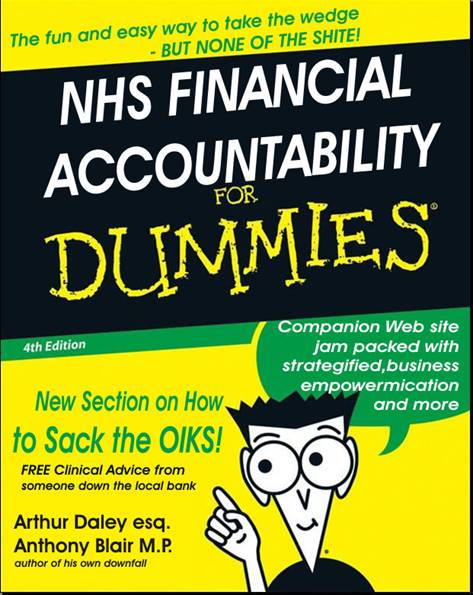
From the BBC website and something we already knew, it's just Polititians
needed to make it public
'NHS-wide faults' led to deficits
Staff pay is one of the factors which has led to the NHS' deficit
Mismanagement at all levels of the NHS in England has led to the current multimillion pound deficit, a committee of MPs has found.
The Commons health select committee said existing deficits were made worse by the cost of new staff pay deals and the expense of meeting NHS targets.
But it added local financial mismanagement was also a factor. Last year's NHS deficit was £547m.
The government said it had increased NHS spending since it came to power.
Shifting targets
The committee said historic deficits, long hidden, were revealed when the government changed the rules so trusts could not underspend their capital budget to subsidise current spending.
But it said the government fuelled the problem by agreeing to new pay deals for doctors and nurses using estimates of the cost which were "hopelessly unrealistic".
And far more staff have come in to the NHS than were proposed by the government.
In addition, meeting national targets such as the requirement that no patient should wait more than four hours in A&E had been costly.
Changing targets at short notice also placed unnecessary financial costs on trusts, the report said.
It attacked short-term measures being used by the government to address deficits.
And it said raiding staff training budgets was "unacceptable", and warned such cuts were affecting staff morale and could damage the quality of the workforce.
Trusts criticised
MPs also warned other "soft targets" such as mental and public health service budgets should not be raided to ease trusts' deficits.
And they said the creation of a new contingency fund to help out failing trusts and top-slicing primary care trusts' (PCTs) budgets should only be temporary measures.
However, the committee also said trusts should shoulder some of the blame for the current situation.
It cited one hospital trust which recruited staff without knowing if it could afford to pay them, and a primary care trust which had failed to recruit key finance staff.
The report said: "The most basic errors have been made; there are too many examples of poor financial information, inadequate monitoring and an absence of financial control."
It said the NHS may well be in balance as a whole by the end of this financial year, but warned trusts with the highest deficits were unlikely to be in the black within the next five years.
The MPs say the government should change the NHS's accounting system, which both reduces a trust's income by the amount of its deficit while also asking it to repay the sum owed.
More funding
Kevin Barron, chairman of the committee, said: "I hope the rush for balancing all NHS budgets does not mean further top-slicing next year, particularly in areas of high health inequalities."
Both the British Medical Association and the Royal College of Nursing condemned the decision to raid training budgets.
And Professor Stephen West, who is on the Council of Deans and Heads of UK Health and Nursing Professions, said: "The universities and statutory bodies were advised that this was a one-year blip where they needed to make some significant reductions.
"Unfortunately it would appear that this was not, and that in order to balance the books there is going to have to be a two or three-year period of reductions in education and training."
However Dr Gill Morgan, chief executive of the NHS Confederation which represents managers, said: "It is a shame that the health select committee has taken the easy route of blaming NHS managers for all the financial problems in the NHS."
Health Secretary Patricia Hewitt said the NHS budget had doubled since 1997 and would almost triple by 2008, when UK healthcare spending would reach the European average.
"As a result of this investment, backed by reform, the NHS has cut waiting times, built new hospitals and surgeries, paid for more doctors and nurses to work and train, and improved access to healthcare for millions of people.
But she said a small number of trusts had built up deficits "due to overspending and inefficient use of their funding".
Shadow health secretary Andrew Lansley warned financial problems were leading to cutbacks when reform should have led to service improvements.
Sandra Gidley, Liberal Democrat health spokeswoman, said targeting "soft targets" such as staff training and mental health services was a "false economy", the effects of which would be felt for years to come.
needed to make it public
'NHS-wide faults' led to deficits
Staff pay is one of the factors which has led to the NHS' deficit
Mismanagement at all levels of the NHS in England has led to the current multimillion pound deficit, a committee of MPs has found.
The Commons health select committee said existing deficits were made worse by the cost of new staff pay deals and the expense of meeting NHS targets.
But it added local financial mismanagement was also a factor. Last year's NHS deficit was £547m.
The government said it had increased NHS spending since it came to power.
Shifting targets
The committee said historic deficits, long hidden, were revealed when the government changed the rules so trusts could not underspend their capital budget to subsidise current spending.
But it said the government fuelled the problem by agreeing to new pay deals for doctors and nurses using estimates of the cost which were "hopelessly unrealistic".
And far more staff have come in to the NHS than were proposed by the government.
In addition, meeting national targets such as the requirement that no patient should wait more than four hours in A&E had been costly.
Changing targets at short notice also placed unnecessary financial costs on trusts, the report said.
It attacked short-term measures being used by the government to address deficits.
And it said raiding staff training budgets was "unacceptable", and warned such cuts were affecting staff morale and could damage the quality of the workforce.
Trusts criticised
MPs also warned other "soft targets" such as mental and public health service budgets should not be raided to ease trusts' deficits.
And they said the creation of a new contingency fund to help out failing trusts and top-slicing primary care trusts' (PCTs) budgets should only be temporary measures.
However, the committee also said trusts should shoulder some of the blame for the current situation.
It cited one hospital trust which recruited staff without knowing if it could afford to pay them, and a primary care trust which had failed to recruit key finance staff.
The report said: "The most basic errors have been made; there are too many examples of poor financial information, inadequate monitoring and an absence of financial control."
It said the NHS may well be in balance as a whole by the end of this financial year, but warned trusts with the highest deficits were unlikely to be in the black within the next five years.
The MPs say the government should change the NHS's accounting system, which both reduces a trust's income by the amount of its deficit while also asking it to repay the sum owed.
More funding
Kevin Barron, chairman of the committee, said: "I hope the rush for balancing all NHS budgets does not mean further top-slicing next year, particularly in areas of high health inequalities."
Both the British Medical Association and the Royal College of Nursing condemned the decision to raid training budgets.
And Professor Stephen West, who is on the Council of Deans and Heads of UK Health and Nursing Professions, said: "The universities and statutory bodies were advised that this was a one-year blip where they needed to make some significant reductions.
"Unfortunately it would appear that this was not, and that in order to balance the books there is going to have to be a two or three-year period of reductions in education and training."
However Dr Gill Morgan, chief executive of the NHS Confederation which represents managers, said: "It is a shame that the health select committee has taken the easy route of blaming NHS managers for all the financial problems in the NHS."
Health Secretary Patricia Hewitt said the NHS budget had doubled since 1997 and would almost triple by 2008, when UK healthcare spending would reach the European average.
"As a result of this investment, backed by reform, the NHS has cut waiting times, built new hospitals and surgeries, paid for more doctors and nurses to work and train, and improved access to healthcare for millions of people.
But she said a small number of trusts had built up deficits "due to overspending and inefficient use of their funding".
Shadow health secretary Andrew Lansley warned financial problems were leading to cutbacks when reform should have led to service improvements.
Sandra Gidley, Liberal Democrat health spokeswoman, said targeting "soft targets" such as staff training and mental health services was a "false economy", the effects of which would be felt for years to come.
Tuesday, December 12, 2006
Hands For Hinchingbrooke, this is the logo and the first batches of merchandise will be
arriving next week and we will be launching it to the public soon after
We are hoping to raise funds for our superb hospital and hope that all will wear and own
our merchandise in support of Hinchingbrooke
Watch this space
It is broke, so fix it
Leader
Tuesday December 12, 2006
The Guardian
It was hoped that tough accounting rules might do for the health service what being tied to the mast did for Odysseus. Just as he was protected against the lure of the sirens, so the health service would be protected against the temptation to which it has traditionally fallen prey: to solve every problem with a cash bail-out. But yesterday, along with optimistic plans to move the NHS as a whole into surplus, came the admission that the financial binds being imposed were "unsustainable" for many individual trusts - these are rules that cannot and will not be kept. Having acknowledged that the system was broken, however, there was no move by the government to fix it.
We reported yesterday that at least 13 NHS trusts (which run hospitals) faced a financial position that was irrecoverable. The government has not disputed this analysis. Such problems arise because the rules bite excessively hard on NHS trusts that began with weak finances. An overdraft in one year leads not only to a requirement to repay, but also to a reduction in income, creating a double penalty. In theory, this should eventually even out but, in practice, a mismatch in timing means a double hit applies. Debts can multiply, leaving managers with no freedom of manoeuvre and a situation that drags them down.
This is like punishing errant motorists by forcing them to drive with a steering lock on - regardless of the obstacles in their way. Without a bail-out or a change in the rules, hospitals up and down the country would have to close, not as part of a planned rationalisation, but in an arbitrary and indefensible manner. This will not happen: no government which has invested so much politically and financially in getting the NHS right could allow it. Sticking with doomed rules, as the government is still doing for now, will no more achieve credibility than did promises to cling to an overvalued pound in the run-up to Black Wednesday.
Acknowledging problems, the government looked to the Audit Commission to suggest changes, so why will it not now implement its proposals? Yesterday ministers pleaded lack of funds, but this is hardly plausible since there is no choice but to find the cash. Perhaps the real thinking is that by waiting for cries of help to become desperate, Whitehall retains a card that will give it ongoing control. That would make sense, but is hardly in keeping with welcome noises yesterday about greater delegation to the front line. And the dire straits in the worst-hit trusts leave the promise to make every hospital a foundation looking more distant than ever. So, if for no other reason than to fulfil its own policies, the government must now fix the problem it has at last acknowledged.
Leader
Tuesday December 12, 2006
The Guardian
It was hoped that tough accounting rules might do for the health service what being tied to the mast did for Odysseus. Just as he was protected against the lure of the sirens, so the health service would be protected against the temptation to which it has traditionally fallen prey: to solve every problem with a cash bail-out. But yesterday, along with optimistic plans to move the NHS as a whole into surplus, came the admission that the financial binds being imposed were "unsustainable" for many individual trusts - these are rules that cannot and will not be kept. Having acknowledged that the system was broken, however, there was no move by the government to fix it.
We reported yesterday that at least 13 NHS trusts (which run hospitals) faced a financial position that was irrecoverable. The government has not disputed this analysis. Such problems arise because the rules bite excessively hard on NHS trusts that began with weak finances. An overdraft in one year leads not only to a requirement to repay, but also to a reduction in income, creating a double penalty. In theory, this should eventually even out but, in practice, a mismatch in timing means a double hit applies. Debts can multiply, leaving managers with no freedom of manoeuvre and a situation that drags them down.
This is like punishing errant motorists by forcing them to drive with a steering lock on - regardless of the obstacles in their way. Without a bail-out or a change in the rules, hospitals up and down the country would have to close, not as part of a planned rationalisation, but in an arbitrary and indefensible manner. This will not happen: no government which has invested so much politically and financially in getting the NHS right could allow it. Sticking with doomed rules, as the government is still doing for now, will no more achieve credibility than did promises to cling to an overvalued pound in the run-up to Black Wednesday.
Acknowledging problems, the government looked to the Audit Commission to suggest changes, so why will it not now implement its proposals? Yesterday ministers pleaded lack of funds, but this is hardly plausible since there is no choice but to find the cash. Perhaps the real thinking is that by waiting for cries of help to become desperate, Whitehall retains a card that will give it ongoing control. That would make sense, but is hardly in keeping with welcome noises yesterday about greater delegation to the front line. And the dire straits in the worst-hit trusts leave the promise to make every hospital a foundation looking more distant than ever. So, if for no other reason than to fulfil its own policies, the government must now fix the problem it has at last acknowledged.
NHS chief admits flawed accounting behind deficits
· Trusts forced into red by 'unsustainable' system
· Department cannot afford £600m to repair damage
John Carvel, social affairs editor
Tuesday December 12, 2006
The Guardian
The head of the NHS in England admitted yesterday that its accounting system was "unsustainable and inconsistent", forcing the weakest hospital trusts into a vicious cycle of spiralling deficits.
David Nicholson, the NHS chief executive, did not dispute reports in the Guardian that used data obtained under the Freedom of Information Act to show how at least a dozen trusts were in an irrecoverable financial predicament. He said the accounting system had to change, but the Department of Health could not afford the £600m cost of repairing the damage the system had already caused. It might have the resources to do so in 2007-08 if the NHS managed to break even at the end of the current financial year. He said he was "absolutely confident" it would avoid another deficit.
His comments came as the Heart of England foundation trust, with hospitals in east Birmingham and Solihull, prepared to announce plans today to take over the financially troubled Good Hope hospital in Sutton Coldfield. The merger would create one of the biggest hospital trusts in England and is seen as a model for rescuing other hospitals from a cycle of deficits.
Mr Nicholson published the priorities, targets and rules that will govern all NHS organisations for the 12 months from April. They include plans to achieve a £250m surplus by March 2008, while increasing hospital activity to make a dramatic reduction in waiting times. He said: "There will be no let-up in the pace ... and I make no apologies for being ambitious on behalf of patients and taxpayers."
But the fragility of the NHS's finances was highlighted by his admission that the health service cannot operate well under the system of resource accounting and budgeting (Rab) imposed on it in 2001. He said: "The way in which Rab is applied to NHS trusts, although providing a strong disincentive to overspend, will become increasingly unsustainable as we move forward with the programme of reform."
Under the Rab rules, a hospital trust making a deficit in one financial year has the amount deducted from its income in the following year. But it is also under a statutory obligation to make a surplus to compensate for the deficit. Mr Nicholson said this double penalty was "inconsistent" with the principles of the government's strategy for paying hospitals a fair price for the number of patients they treated. He accepted the logic of recommendations from the Audit Commission to exempt trusts from the Rab regime, but said it would cost £600m to pay off the trusts' Rab debts. This would have to come out of the department's budget for treating patients and could only be afforded after NHS trusts proved they had financial discipline.
Mr Nicholson did not dispute the assertion in yesterday's Guardian that the Rab rules have forced 13 trusts into an irrecoverable financial position. But he said it was wrong to describe them as "technically bankrupt" because they were public sector organisations.
Gill Morgan, chief executive of the NHS Confederation, which represents the trusts, said: "We are very disappointed the department has not taken the opportunity to revise the NHS accounting rules." Niall Dickson, chief executive of the King's Fund, a health research institute, said: "The quest for financial balance must not come at the expense of patient care."
Doctors and nurses' leaders said the plan to achieve a £250m surplus in 2007-08 implied cuts in jobs and services.
Jonathan Fielden, chairman of the British Medical Association's consultants committee, said: "Operations are being delayed, jobs are being frozen and trained doctors and other healthcare staff are struggling to find jobs, while the NHS attempts to get its finances sorted.
"Meanwhile, NHS money is being siphoned into the private sector through generous, guaranteed contracts to provide care for NHS patients."
· Trusts forced into red by 'unsustainable' system
· Department cannot afford £600m to repair damage
John Carvel, social affairs editor
Tuesday December 12, 2006
The Guardian
The head of the NHS in England admitted yesterday that its accounting system was "unsustainable and inconsistent", forcing the weakest hospital trusts into a vicious cycle of spiralling deficits.
David Nicholson, the NHS chief executive, did not dispute reports in the Guardian that used data obtained under the Freedom of Information Act to show how at least a dozen trusts were in an irrecoverable financial predicament. He said the accounting system had to change, but the Department of Health could not afford the £600m cost of repairing the damage the system had already caused. It might have the resources to do so in 2007-08 if the NHS managed to break even at the end of the current financial year. He said he was "absolutely confident" it would avoid another deficit.
His comments came as the Heart of England foundation trust, with hospitals in east Birmingham and Solihull, prepared to announce plans today to take over the financially troubled Good Hope hospital in Sutton Coldfield. The merger would create one of the biggest hospital trusts in England and is seen as a model for rescuing other hospitals from a cycle of deficits.
Mr Nicholson published the priorities, targets and rules that will govern all NHS organisations for the 12 months from April. They include plans to achieve a £250m surplus by March 2008, while increasing hospital activity to make a dramatic reduction in waiting times. He said: "There will be no let-up in the pace ... and I make no apologies for being ambitious on behalf of patients and taxpayers."
But the fragility of the NHS's finances was highlighted by his admission that the health service cannot operate well under the system of resource accounting and budgeting (Rab) imposed on it in 2001. He said: "The way in which Rab is applied to NHS trusts, although providing a strong disincentive to overspend, will become increasingly unsustainable as we move forward with the programme of reform."
Under the Rab rules, a hospital trust making a deficit in one financial year has the amount deducted from its income in the following year. But it is also under a statutory obligation to make a surplus to compensate for the deficit. Mr Nicholson said this double penalty was "inconsistent" with the principles of the government's strategy for paying hospitals a fair price for the number of patients they treated. He accepted the logic of recommendations from the Audit Commission to exempt trusts from the Rab regime, but said it would cost £600m to pay off the trusts' Rab debts. This would have to come out of the department's budget for treating patients and could only be afforded after NHS trusts proved they had financial discipline.
Mr Nicholson did not dispute the assertion in yesterday's Guardian that the Rab rules have forced 13 trusts into an irrecoverable financial position. But he said it was wrong to describe them as "technically bankrupt" because they were public sector organisations.
Gill Morgan, chief executive of the NHS Confederation, which represents the trusts, said: "We are very disappointed the department has not taken the opportunity to revise the NHS accounting rules." Niall Dickson, chief executive of the King's Fund, a health research institute, said: "The quest for financial balance must not come at the expense of patient care."
Doctors and nurses' leaders said the plan to achieve a £250m surplus in 2007-08 implied cuts in jobs and services.
Jonathan Fielden, chairman of the British Medical Association's consultants committee, said: "Operations are being delayed, jobs are being frozen and trained doctors and other healthcare staff are struggling to find jobs, while the NHS attempts to get its finances sorted.
"Meanwhile, NHS money is being siphoned into the private sector through generous, guaranteed contracts to provide care for NHS patients."
Patient Choice - What is it?
Q: What is Patient Choice?
The NHS is changing to give you more choice about where and when you are treated and a greater say in how you are treated. When you have decided with your GP that you are going to see a specialist for further treatment you will be offered treatment from a list of at least four local hospitals or clinics.
Why would I want to choose which hospital treats me?
If you choose which hospital you are treated in, you can make sure that you go to the place that will best suit your needs.
Q: What if I don’t want to go to a different hospital?
You don't have to. If you would rather visit the hospital that you usually go to, then you can make that choice
Then you get a letter to say CHOOSE & BOOK
Choose and Book Appointments Line
This is a 'phone line where call-centre staff can give you information about your list of hospitals or clinics. They may also be able to tell you what dates and times are free for an appointment with a specialist. This will depend on which hospitals you are considering.
When you call the Appointments Line you will be asked to give your password and appointment reference number, which will be on your appointment request letter. If your appointment reference number is not available, the Choose and Book Appointments Line staff may still be able to help if you confirm your personal details, such as your name, address and date of birth. You will still need to give your password.
Calls to the Appointments Line on 0845 608 8888 are charged at the local rate.
The Appointments Line is open every day from 7am to 10pm.
If you do not speak English, translation services are available.
If you cannot use a phone, textphone services are available on 0845 8 50 22 50.
Remember, in some cases you can only check the availability of appointment slots or book your appointment by calling the hospital or clinic directly. This will in no way affect the quality of care you receive.
But if you go on my experience of the 11th December 2006, you will still be waiting for an appointment and you will be out of pocket as you have to use an 0845 number.........The excuse was the computer system was down and could I call back in 48 hours !!
Also I asked about the 3 choices I had been given and the order in which they were listed, they were not listed in Geographical distances from my postcode nor in alphabetical order, I had 3 choices 1, Peterborough, 2 Hinchingbrooke & 3 Addenbrookes, when asked the operator did not know how these choices were arrived at and to how they are determined in list/choice order..............mmmmm yeah right.
I also said who in their right mind would travel to Hospitals 20 plus miles from their home and she replied ""well I wouldn't, not with the cost of transport and the state of the roads, enough said....................
PATIENT CHOICE - CHOOSE HINCHINGBROOKE
Q: What is Patient Choice?
The NHS is changing to give you more choice about where and when you are treated and a greater say in how you are treated. When you have decided with your GP that you are going to see a specialist for further treatment you will be offered treatment from a list of at least four local hospitals or clinics.
Why would I want to choose which hospital treats me?
If you choose which hospital you are treated in, you can make sure that you go to the place that will best suit your needs.
Q: What if I don’t want to go to a different hospital?
You don't have to. If you would rather visit the hospital that you usually go to, then you can make that choice
Then you get a letter to say CHOOSE & BOOK
Choose and Book Appointments Line
This is a 'phone line where call-centre staff can give you information about your list of hospitals or clinics. They may also be able to tell you what dates and times are free for an appointment with a specialist. This will depend on which hospitals you are considering.
When you call the Appointments Line you will be asked to give your password and appointment reference number, which will be on your appointment request letter. If your appointment reference number is not available, the Choose and Book Appointments Line staff may still be able to help if you confirm your personal details, such as your name, address and date of birth. You will still need to give your password.
Calls to the Appointments Line on 0845 608 8888 are charged at the local rate.
The Appointments Line is open every day from 7am to 10pm.
If you do not speak English, translation services are available.
If you cannot use a phone, textphone services are available on 0845 8 50 22 50.
Remember, in some cases you can only check the availability of appointment slots or book your appointment by calling the hospital or clinic directly. This will in no way affect the quality of care you receive.
But if you go on my experience of the 11th December 2006, you will still be waiting for an appointment and you will be out of pocket as you have to use an 0845 number.........The excuse was the computer system was down and could I call back in 48 hours !!
Also I asked about the 3 choices I had been given and the order in which they were listed, they were not listed in Geographical distances from my postcode nor in alphabetical order, I had 3 choices 1, Peterborough, 2 Hinchingbrooke & 3 Addenbrookes, when asked the operator did not know how these choices were arrived at and to how they are determined in list/choice order..............mmmmm yeah right.
I also said who in their right mind would travel to Hospitals 20 plus miles from their home and she replied ""well I wouldn't, not with the cost of transport and the state of the roads, enough said....................
PATIENT CHOICE - CHOOSE HINCHINGBROOKE
Subscribe to:
Posts (Atom)